A-share red memory: How many old photos of these big events have you experienced in 28 years?

guide reading
From the small blackboard to the big screen, from counter trading to telephone trading to online trading, from ticket machines to mobile phones to smart phones, the number of A-share investors has exceeded 150 million. The times are changing dramatically, and A-shares are changing dramatically.
I am confident that my life will be 200 years, and I will be a water hammer for three thousand miles.
2019 is the 98th anniversary of the founding of the Communist Party of China (CPC), the 70th anniversary of the founding of New China, and the crucial year for building a well-off society in an all-round way with the goal of "two hundred years". The Millennium dream of the Chinese nation is about to usher in a "critical leap".
Since 1921, since 1949, and since 1978, generations of Chinese have worked hard to create the China miracle that makes the world sit up and take notice.
In this miracle of China, the rapid development of national economy and the rapid promotion of residents’ wealth, the capital market is a witness and an important creator.
"Securities and stock markets, whether these things are good or not, are they dangerous, are they capitalist, and can socialism be used? You are allowed to watch, but you must try resolutely. Look right, do it for a year or two, let go; Wrong, correct it, just turn it off. "
In the spring of 1992, Deng Xiaoping’s southern tour speech gave a great impetus to the controversial China stock market. A-share, an experimental product, has achieved many unimaginable leaps in the next 30 years.
From the appearance of the first stock to more than 3,600 stocks in the two cities, from the opening of the first counter to more than 10,000 securities business departments across the country, the total market value of A shares now exceeds 53 trillion yuan, making it the second largest stock market in the world;
From the small blackboard to the big screen, from counter trading to telephone trading to online trading, from ticket machines to mobile phones to smart phones, the number of A-share investors has exceeded 150 million. The times are changing dramatically, and A-shares are changing dramatically.
In 1984
New China First Share
The Third Plenary Session of the Eleventh Central Committee was thunderous, and China entered the spring of reform and opening up. In the early 1980s, joint-stock pilot enterprises began to try to issue stocks, and the trading activities of bonds and stocks followed.
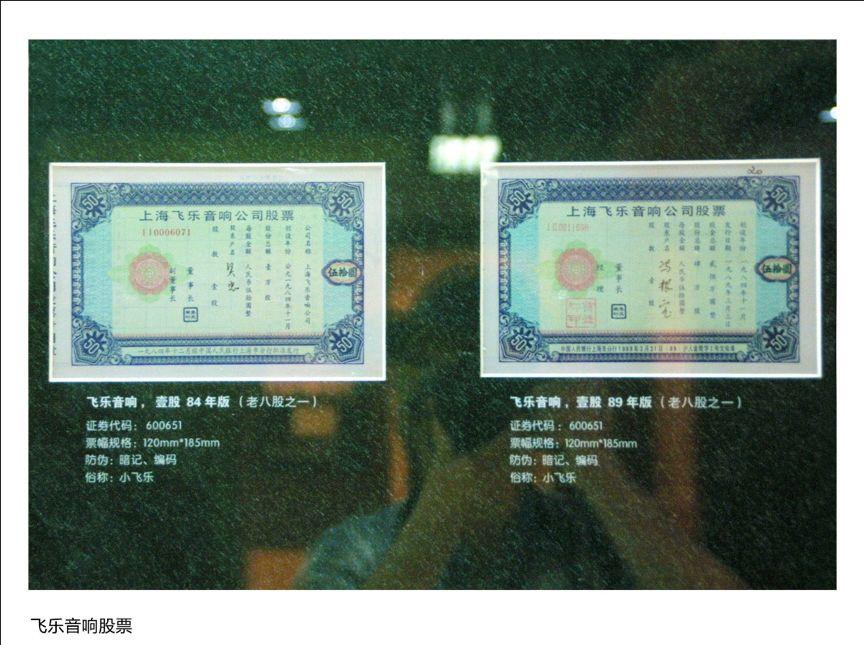
On November 14th, 1984, Shanghai Feile Audio Co., Ltd. issued the first public offering stock in New China, which even shocked the world stock market. Foreign media came to interview Qin Qibin, chairman of Feile Audio, and asked two questions the most: "The first one is that stocks are capitalist things. Why do you want to do it?" I followed suit and replied that we can also learn from what is useful to capitalism. The second question is, can your experience be popularized in China? My answer at that time was a little ignorant. I said,’ Whether it works or not depends on our pilot.’ "
In 1986
New China shakes hands with stock market.
On September 26th, 1986, the first securities trading counter in New China-Jing ‘an Securities Business Department, No.1806 Nanjing West Road, Shanghai, opened, which marked the stock trading in New China. At that time, there were only two tradable stocks-Feile Audio and Yanzhong Industry. The 100 shares of Feile Audio listed on the same day were snapped up in less than an hour and a half.
According to Qin Qibin’s memory, he went to the home of Ms. Rong Shuren, the sister of former Vice President Rong Yiren, and told her that Feile Audio wanted to issue shares and wanted to ask her to be an honorary director. She readily agreed, saying, "Good thing, I’ll buy your stock, too.". She seems to have bought a lot of shares.

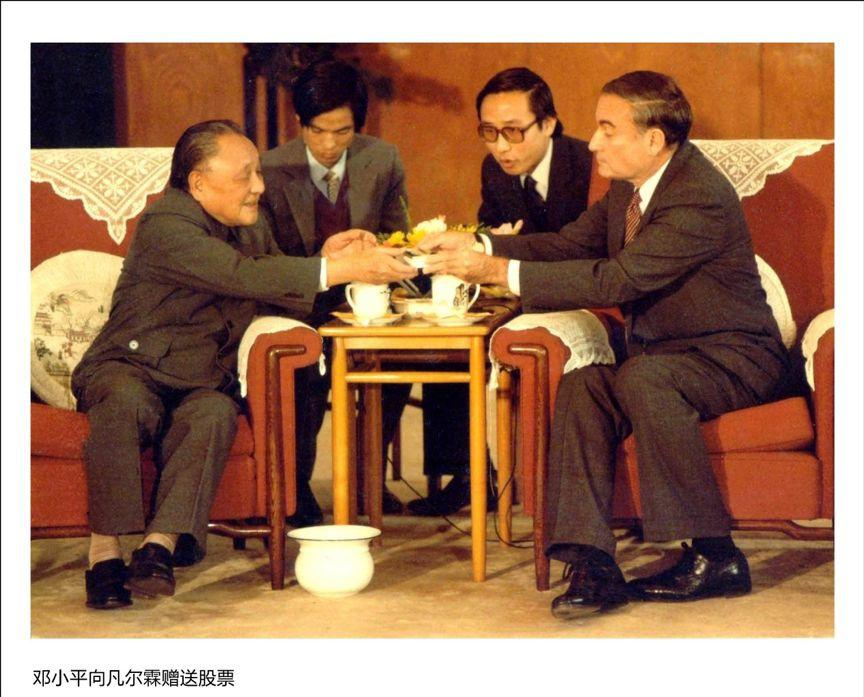
On November 14th, 1986, Deng Xiaoping met with John Verlin, chairman of new york Stock Exchange, and presented him with a stock of Feile Audio. This "Little Feile" stock became the first stock owned by a foreigner, and Mr. Vallin became the first foreign shareholder of a listed company in China. He immediately changed his itinerary and went straight to No.101 Xikang Road, where he found Huang Guixian, the founder of the first stock exchange in China, and went through the stock transfer formalities in person.
This is a landmark event in China’s securities history, and it also sends an important signal to the whole world. The sensitive international community quickly exclaimed "China shakes hands with the stock market".
1988
The whole country set off a wave of joint-stock system
In 1984, the Third Plenary Session of the Twelfth Central Committee adopted the Decision of the Central Committee of the Communist Party of China on Economic System Reform, and the focus of reform shifted from rural areas to cities. In just a few years, a large number of joint-stock enterprises have appeared in China.
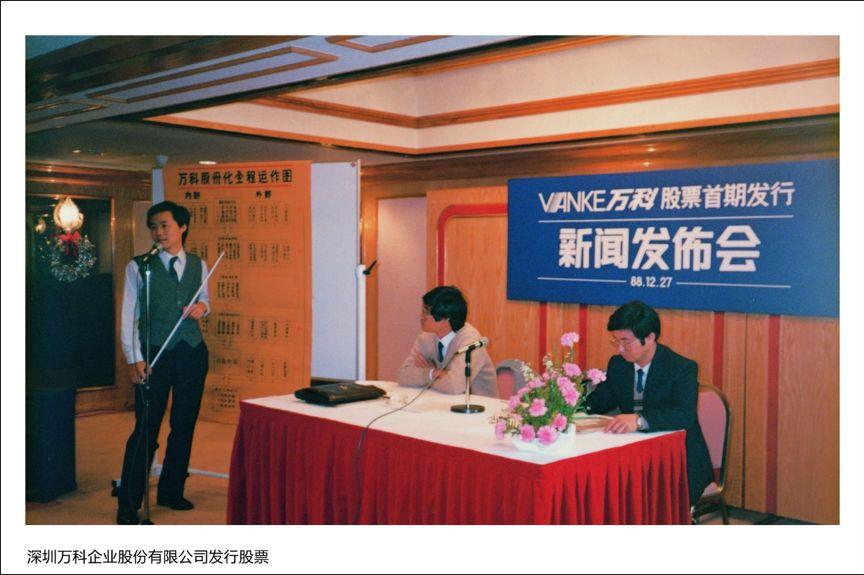
In December 1988, Shenzhen Vanke Enterprise Co., Ltd. issued shares. An old investor recalled that not many people knew about stocks and were willing to invest. In order to sell stocks, Wang Shi once personally led a team to the streets, set up a stall in downtown Shenzhen, and even went to the vegetable market several times to sell with Chinese cabbage. On January 29th, 1991, Vanke A was listed at the price of 14.58 yuan, which was the second stock listed on Shenzhen Stock Exchange.
1990
The Shanghai and Shenzhen stock exchanges opened one after another.
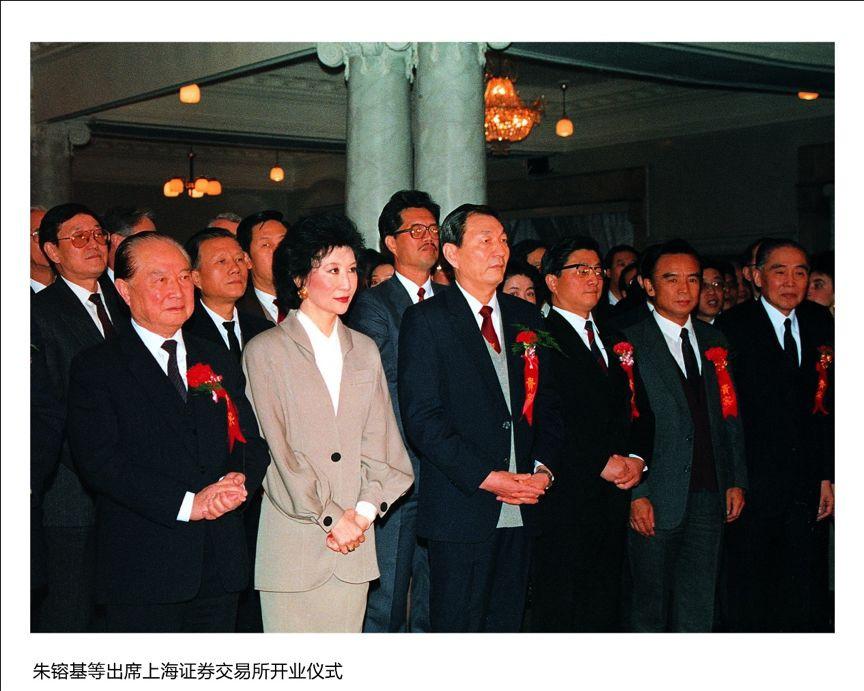
In June 1990, Zhu Rongji, then mayor of Shanghai, announced in Hong Kong that the Shanghai Stock Exchange would be established within this year. On December 19th of that year, the Shanghai Stock Exchange officially opened. At the beginning of business, only eight listed companies were listed, commonly known as "old stereotyped shares".
Before the opening of Ming Gong, Wei Wenyuan, the first general manager of Shanghai Stock Exchange, found a bronze gong in Shiliupu Commodity Market. "It’s a bit ugly, just like an unearthed cultural relic, which is stupid and heavy. I picked it up and knocked a little boring, but it was very vigorous. At that time, I asked how much it was. 600 yuan, bite your teeth and buy it, and it will become the first in the China stock market. "
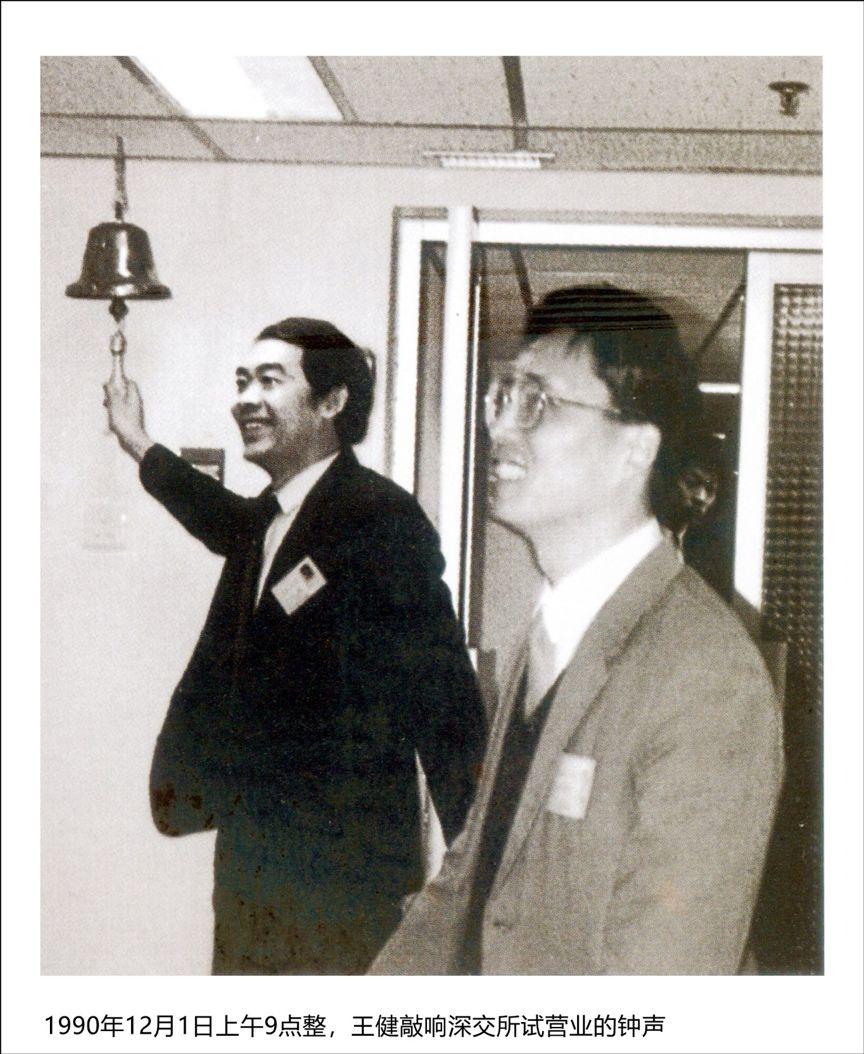
On December 1, 1990, Shenzhen Stock Exchange began its trial operation. But it was not until July 3, 1991 that the Shenzhen Stock Exchange officially opened. Who is the first stock exchange in new China, Shanghai Stock Exchange or Shenzhen Stock Exchange, has become an unsolved case. Shenzhen Stock Exchange belongs to "getting the certificate after the husband and children", and it is obviously of more special significance to set up a stock exchange in Shanghai.
Yu Guogang, the first deputy general manager of Shenzhen Stock Exchange, clearly remembers every detail of that morning. "At 9 o’clock in the morning, in front of the exchange, my old partner, Wang Jian, who is also the deputy general manager, tugged at the rope ringing the bell for opening, and I accompanied him. Comrade Dong Guoliang, deputy head of the Shenzhen Capital Market Leading Group, stood in the trading hall. Without the help of the leaders of the municipal party Committee and municipal government, there is no sound of firecrackers and drums, and there is no excitement of crowds. Everything is calm and serene. With the pull of the rope in Wang Jian’s hand, a ringing bell opened a new historical curtain … "
In 1992,
Deng Xiaoping southern tour encourages stock market experiment.
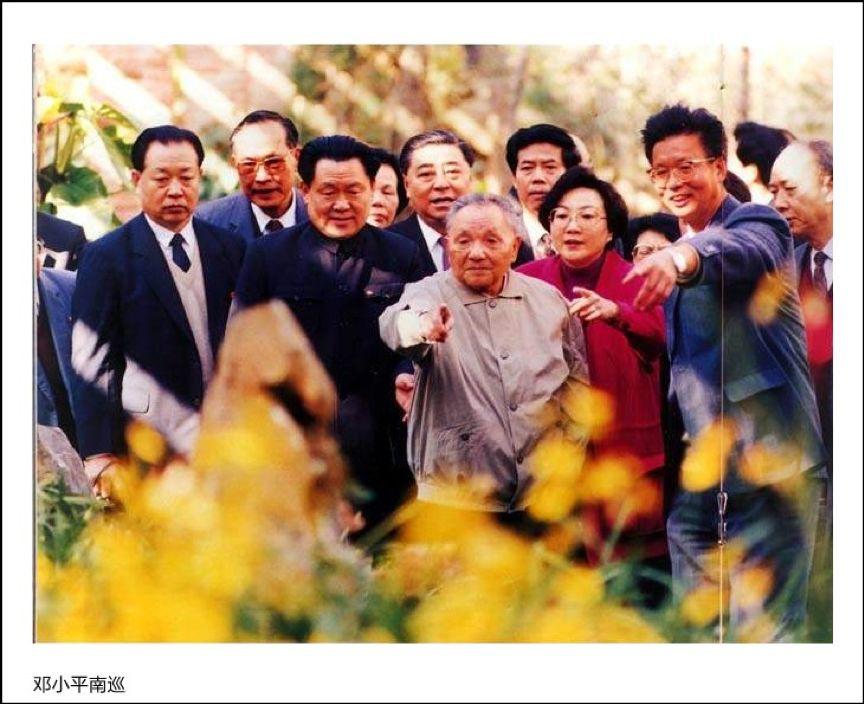
In the early development of the capital market, there were constant disputes about the surnames of capital and society. In early 1992, Deng Xiaoping inspected the South and made a speech. The southern tour speech pointed out the market direction and marked a new stage of China’s reform.
Deng Xiaoping pointed out: "Are securities and stock markets good or not? Are they dangerous? Are they unique to capitalism? Can socialism be used? You are allowed to watch, but you must try resolutely. Look right, do it for a year or two, right, let go; Wrong, correct it, just turn it off. Turn off, you can turn off quickly, you can turn off slowly, and you can leave a little tail. What are you afraid of? It doesn’t matter if you stick to this attitude, and you won’t make big mistakes. "
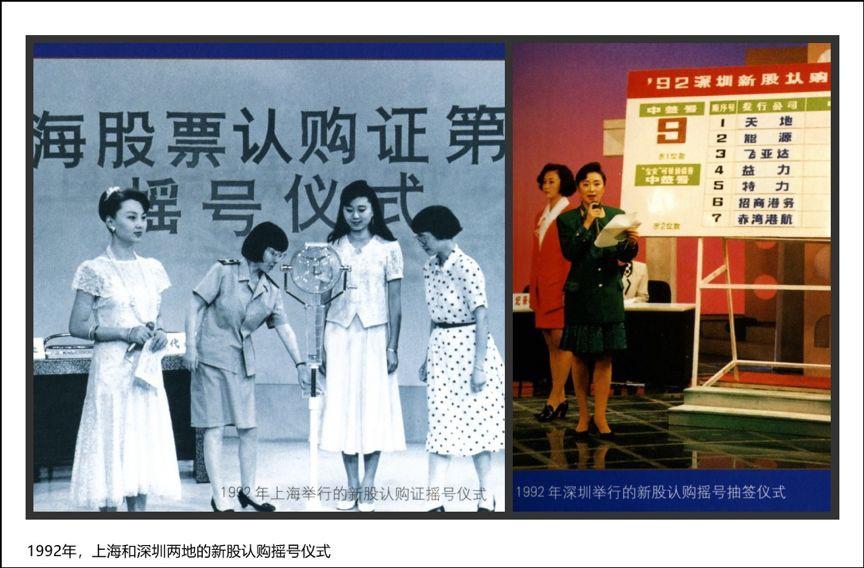
Since January 1992, stock subscription certificates have appeared in Shanghai. A subscription card in 30 yuan has four lottery opportunities, and the winner can take money with the certificate to buy shares at the designated counter. The stock market began to expand rapidly, and many places set off a "stock fever". In August 1992, Shenzhen’s "1992 Stock Subscription Certificate" was shaken for the fourth time. Shenzhen Post Office received a parcel weighing about 17 kilograms, which contained more than 2,000 ID cards. After that, millions of subscribers gathered in Shenzhen to subscribe for new shares.
On August 18, 1993, the subscription of new shares was changed from the purchase application form to the deposit-linked method; Later, it was changed to full advance payment. After that, for a long period of time, there were many professional subscription households all over the country carrying boxes full of banknotes and flying around by plane to subscribe for new shares.
The stock market has spawned a large number of millionaires, and "Yang Baiwan" has become one of the representative figures of retail investors. Yang Huaiding, known as "the first investor in China", achieved its initial wealth accumulation by buying and selling treasury bills in different places, and then joined the stock market. Yang Huaiding’s first stock was "Vacuum Electronics". After buying it for half a year, the stock soared. Yang Huaiding sold it at a price above 800 yuan, making a net profit of more than 1.5 million yuan. The nickname "Yang Baiwan" spread like wildfire.

After 1992, the capital market began a round of great development. More and more enterprises issued shares and went public, and more and more Chinese began to understand stocks and invest in the stock market.
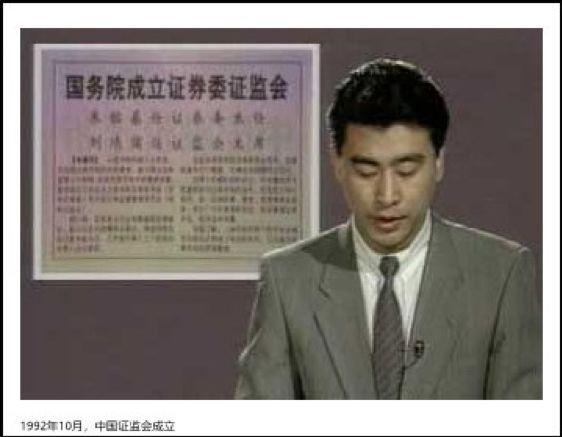
In October, 1992, the China Securities Regulatory Commission was established, which indicated that China’s capital market began to be incorporated into the national unified regulatory framework, and the national market began to develop. Liu Hongru, the first chairman of China Securities Regulatory Commission, said when he took office, "Our task is to open up wasteland, build roads and lay tracks. We are sitting on the crater, and everyone should be mentally prepared. "
In 1993,
National stock trading set off a boom.
The southern tour speech has played a great role in promoting the development of the controversial securities market, and a "stock fever" has been set off in many places. A-shares also saw the first big bull market, which reached its peak of 1558 points in February 1993.
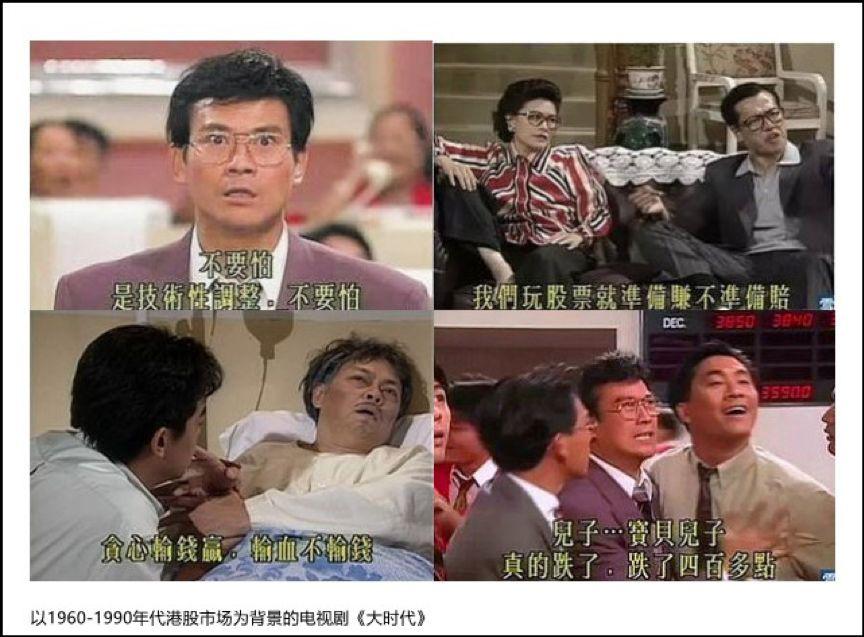
The film "Stock Crazy" released on May 13th, 1994 depicts the crazy upsurge of stock trading in 1990s. Starring Liu Qingyun, in 1992, he participated in the TV series "Big Times" set in the Hong Kong stock market in the 1960s and 1990s, and the "Ding Crab Effect" became one of the curses of Hong Kong stocks.
In 1996
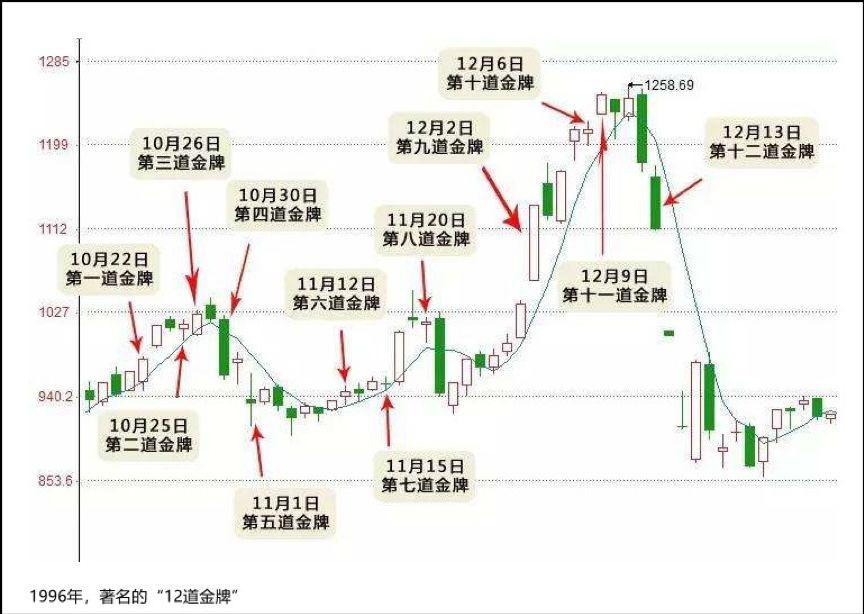
The famous "12 gold medals"
At the beginning of 1996, China stock market had been a bear for three years, and many stocks fell to the extreme. With the frequent positives, the stock market began to go bullish in March. In the second half of the year, junk stocks soared, there was no daily limit, and the bookmakers manipulated them obviously. The management successively issued 12 policies to cool the stock market, which is the famous "12 gold medals".
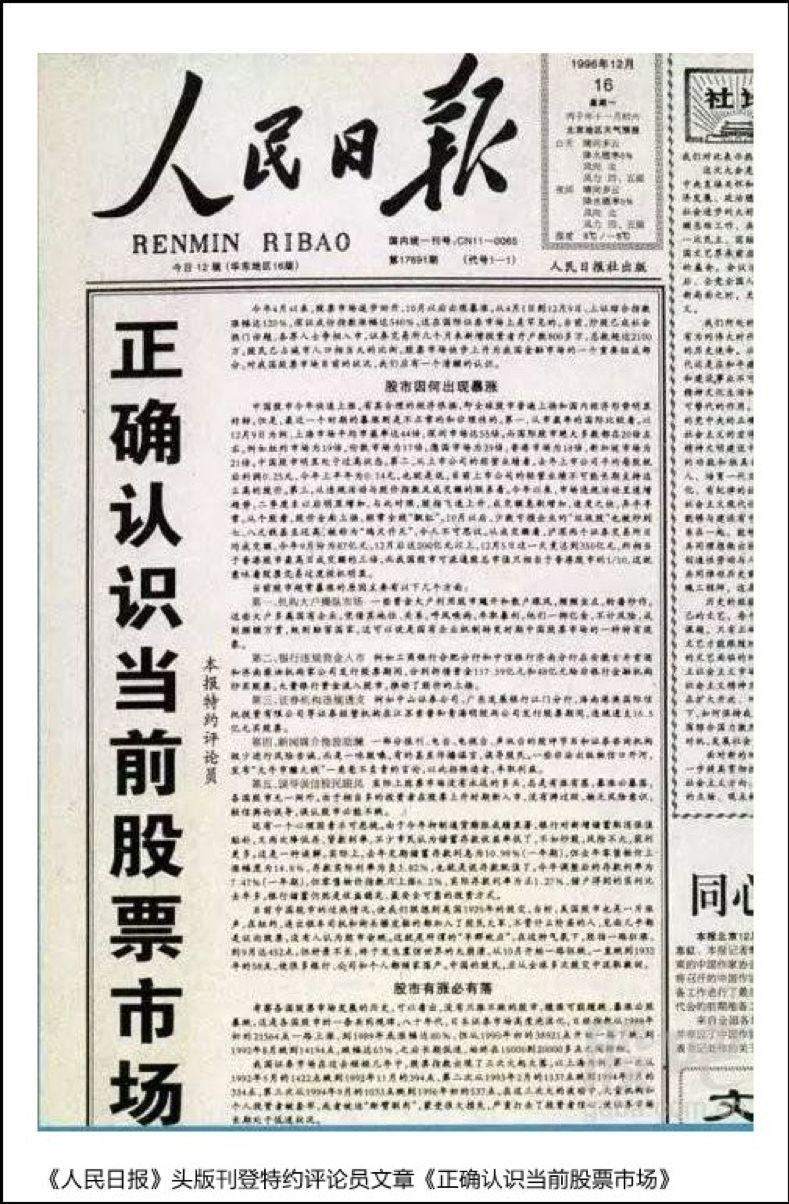
On December 16, 1996, the Shanghai and Shenzhen Stock Exchanges resumed the trading system of 10% daily limit and implemented the public information system. On the same day, the front page of People’s Daily published a special commentator’s article "Correctly Understanding the Current Stock Market", and the Shanghai and Shenzhen stock markets almost fell for two consecutive days.
After the "12 gold medals", poor-performing stocks began to be sold, and blue-chip stocks began a new round of market. This increase continued until May 1997, and the Shanghai Composite Index rose from 855 points at the end of 1996 to 1510 points, with an increase of 76%.
In 1998
Public Offering of Fund’s birthday.
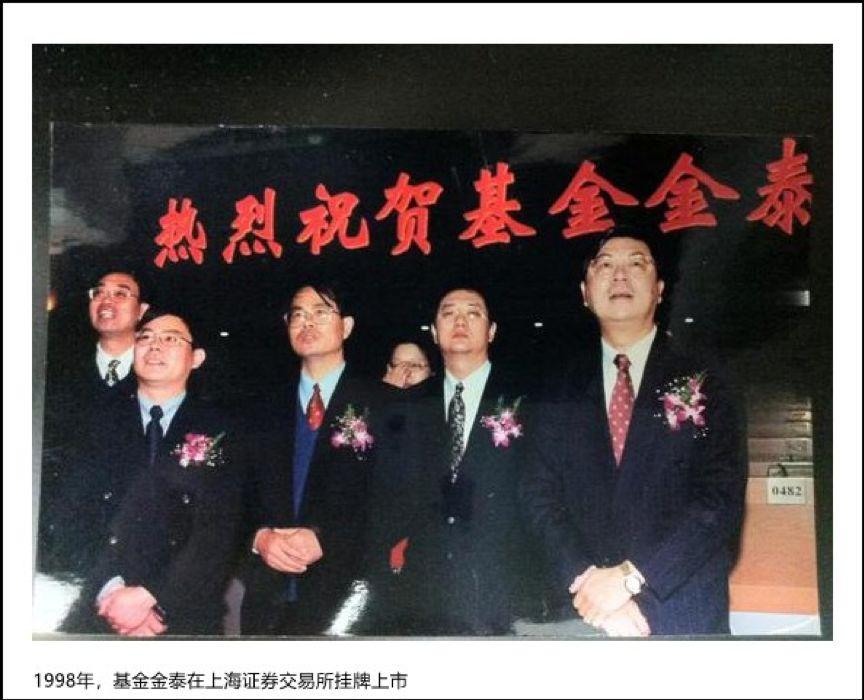
On March 27th, 1998, southern fund and cathay pacific fund initiated the establishment of the first batch of domestic closed-end funds-Kaiyuan Fund and Jintai Fund, which marked the birth of the first batch of real investment funds in China, and this day also became Public Offering of Fund’s birthday. With the rapid development of closed-end funds, the CSRC has cleaned up and standardized the original investment funds.
In the era when the per capita annual income was only 5,425 yuan, people flocked to securities companies and queued up to subscribe for funds. The subscription froze 161.6 billion yuan, but the winning rate was only 2%. It is said that the scene of that year was "much more difficult to grab than Ma Dad’s double eleven".
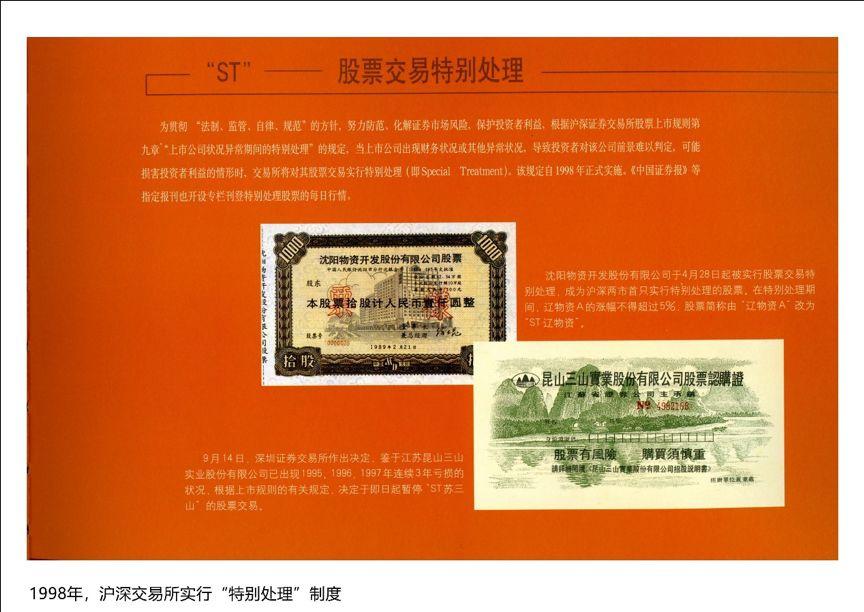
On April 22, 1998, the Shanghai and Shenzhen Stock Exchanges implemented the "special treatment" system, and then Liao Material A became the first ST company, and ST Susanshan became the first company to suspend its listing due to continuous losses for three years. However, it was not until 2001 that the first delisting company, PT Narcissus, appeared in A-share market, and since then, the immortal words of A-share listed companies have ended.
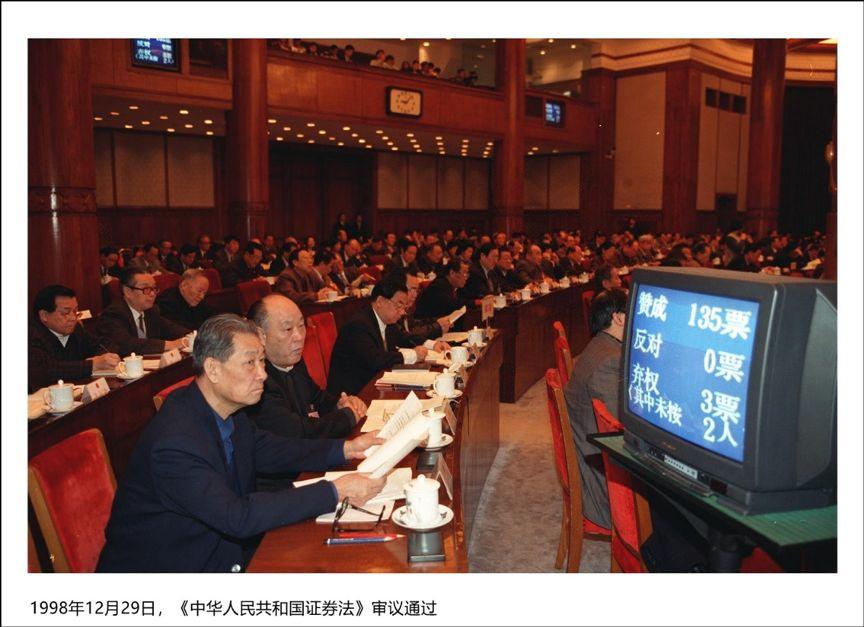
On December 29th, 1998, the Securities Law of People’s Republic of China (PRC) was deliberated and passed, and it came into effect on July 1st, 1999. The Securities Law, which lasted for six years and had seven drafts, is the first economic law drafted by the highest national legislature rather than a government department in accordance with international practice since the founding of New China.
The Securities Law confirms the status of the capital market in legal form, which indicates that the capital market is moving towards a higher degree of standardization, and China’s capital market has entered a new stage of governing the city according to law.
In 1999,
Unforgettable "519 Quotes"
A-shares began to take shape in 1999, and just after the impact of the Asian financial crisis in 1998, the valuation returned to a reasonable range. On May 16th, six opinions on encouraging the healthy development of the capital market were approved by the State Council. From May 19th to June 30th, A shares rose 66% in 31 trading days, which was called "519 Quote" in history.
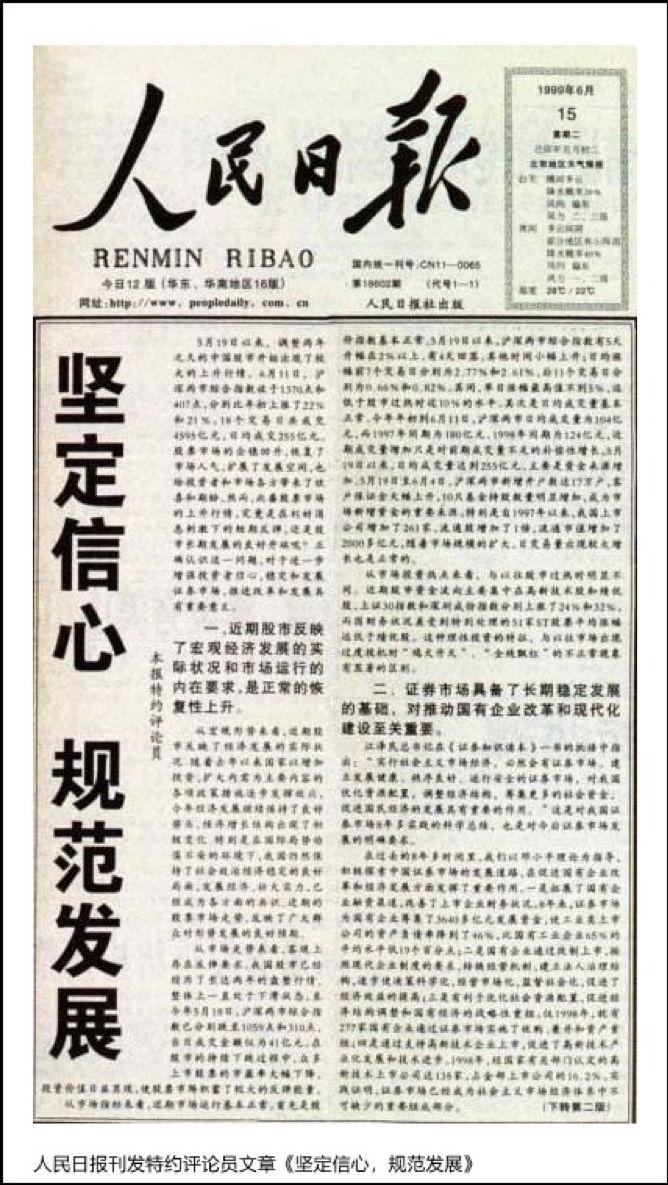
After a short-term surge, the People’s Daily published a special commentator’s article "Strengthening Confidence and Standardizing Development" on June 15th, which played a key role in the continuation of the stock market. Later, Zhou Zhengqing, the late chairman of the China Securities Regulatory Commission, admitted that the article was written by him. In 1997, when Zhou Daojiong stepped down as chairman of the China Securities Regulatory Commission, he said to Zhou Zhengqing, "My plane has landed safely." Zhou Zhengqing answered him: "My plane just took off."
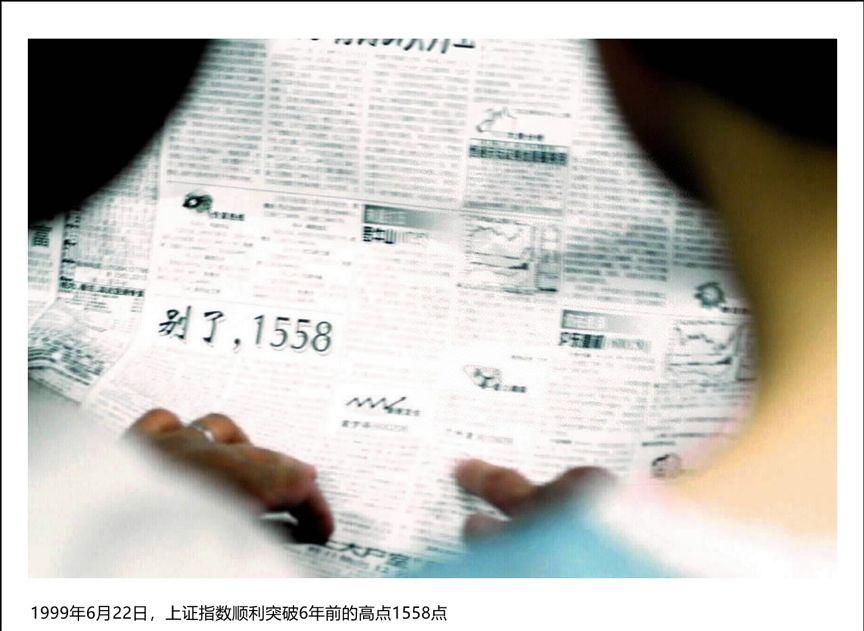
From May 19, 1999 to June 12, 2001, the Shanghai Composite Index rose from 1047 to 2245, and the bull market rose more than doubled in two years.
In 2001
The first open-end fund was born.
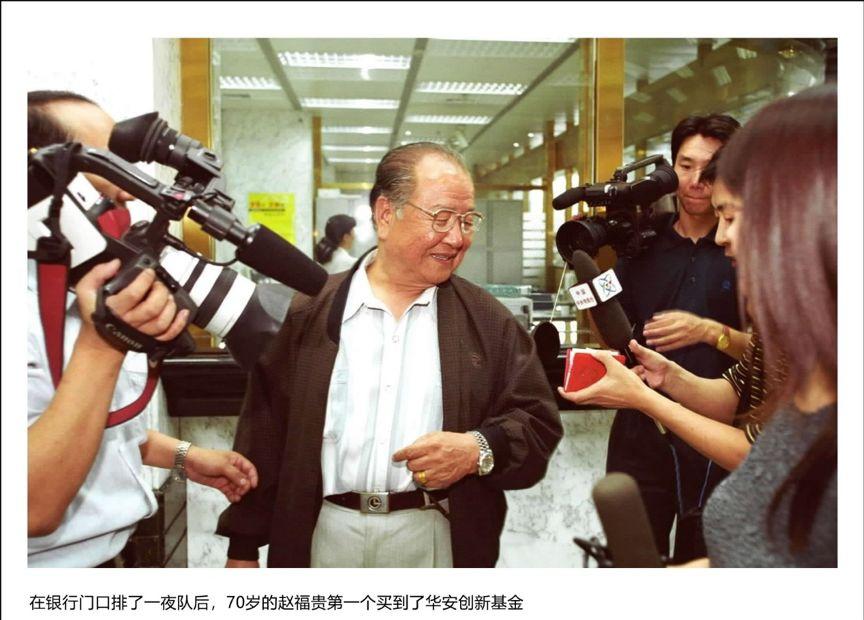
On October 8, 2000, the CSRC issued the "Pilot Measures for Open-end Securities Investment Funds", which opened the prelude to the development of open-end funds in China. On September 11th, 2001, the first open-end fund-Huaan Innovation Securities Investment Fund was born. It is said that "the team that bought the first open-end fund even went from Bank of Communications to Industrial and Commercial Bank of China."
On October 28th, 2003, the Securities Investment Fund Law was passed at the Fifth Session of the Tenth the National People’s Congress Standing Committee (NPCSC), and it came into force on June 1st, 2004, which provided legal guarantee for the standard operation of funds. In June 2013, the new Fund Law was revised and implemented.
In 2003
QFII voted for the first order of A shares.
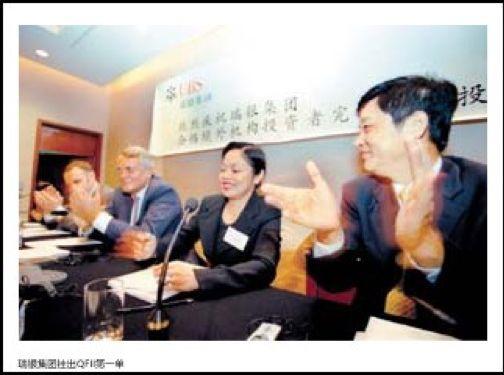
On December 11th, 2001, China officially became a member of the WTO. Since then, the opening-up of China’s capital market has obviously accelerated. On July 9th, 2003, QFII, which attracted much attention, officially landed in China stock market, and UBS became the first QFII to invest in China domestic market. After more than ten years, foreign capital, insurance and public offering gradually formed a "three-legged" situation in A-shares, which also strengthened the value investment concept of A-shares to a great extent.
"I am now officially ordering the first order of QFII: 1. baoshan iron & steel; 2. Shanghai header; 3. Development of outbound transportation; 4. ZTE. " At 10: 15 a.m. on July 9th, with Yuan Shuqin, head of China Securities Department of UBS Investment Bank, reading out the names of four stocks, QFII’s first order in A shares was completed.
In 2004
Small and medium-sized board released by "National Nine Articles"
In November 2002, the 16th National Congress of the Communist Party of China made a strategic plan of "promoting the reform, opening up and stable development of the capital market". On January 31st, 2004, the State Council issued "Nine Articles of the State", which clarified the strategic position of the capital market in the national development, put forward the development goal of the capital market, and pointed out the direction for solving the long-standing historical problems left over by the capital market.
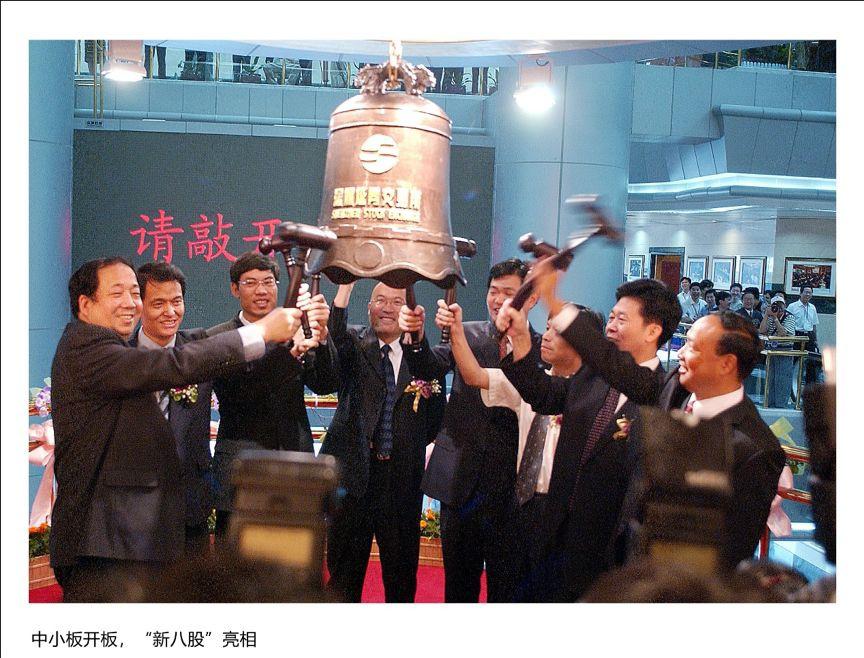
At the beginning of 2004, Shenzhen Stock Exchange, which has not listed new shares for more than three years, put forward a plan to restore market popularity and financing function: set up a small and medium-sized board to welcome high-tech enterprises to go public as a transition to the Growth Enterprise Market. On June 25, 2004, the small and medium-sized board was opened, and 8 shares listed collectively were called "new eight shares". Among them, the first increase is Hualan Bio, and its share price has increased by 34 times in 15 years.
In 2005
Split share structure reform starts the biggest bull market of A shares.
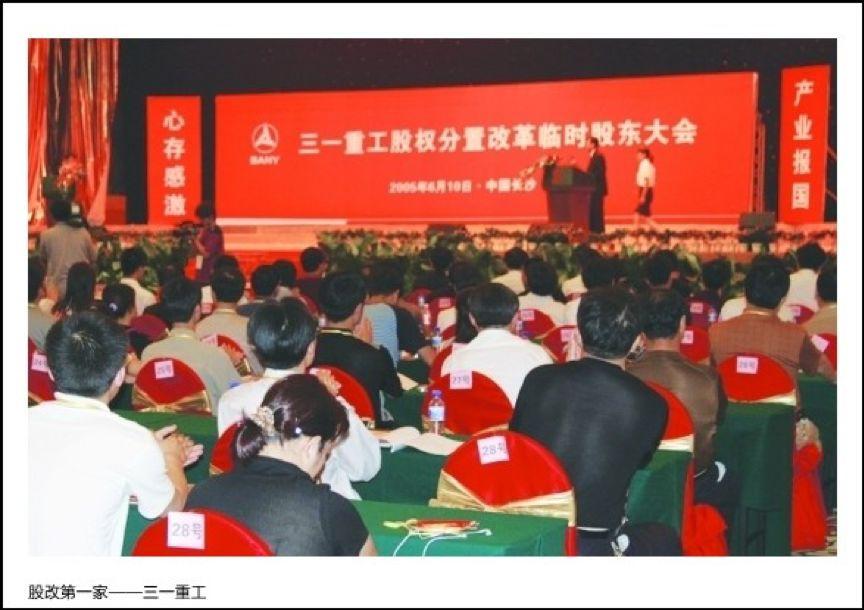
According to the spirit of "National Nine Articles", in 2005, the CSRC started the share-trading reform. On May 9, 2005, the reform of non-tradable shares entered the substantive operation stage. The first batch of pilot companies included Tsinghua Tongfang, Jinniu Energy, Zijiang Enterprise and Sany Heavy Industry.
At one time, the share reform met with all kinds of opposition. Shang Fulin, then chairman of the China Securities Regulatory Commission, made it clear that there was no turning back! On October 30, 2006, the total market value of stock reform companies in Shanghai and Shenzhen stock markets reached 98%, and the share-trading reform was basically completed. The reform of non-tradable shares is a pioneering work of China’s securities market system, which is of epoch-making significance.
In 2007
National stock trading and 6124
The reform of non-tradable shares has also become the most direct fuse of the big bull market in 2006-2007. On June 6, 2005, the Shanghai Composite Index began to rebound after bottoming out at 998 points, and then it became the craziest bull market in the history of A-shares.
At the beginning of 2007, A shares continued to rise after a sharp fall on February 27, and there was a phenomenon of stock trading and savings moving. On May 9, the Shanghai Composite Index broke through 4000 points. On October 16th, the Shanghai Composite Index reached the peak of this bull market of 6124.04 points.
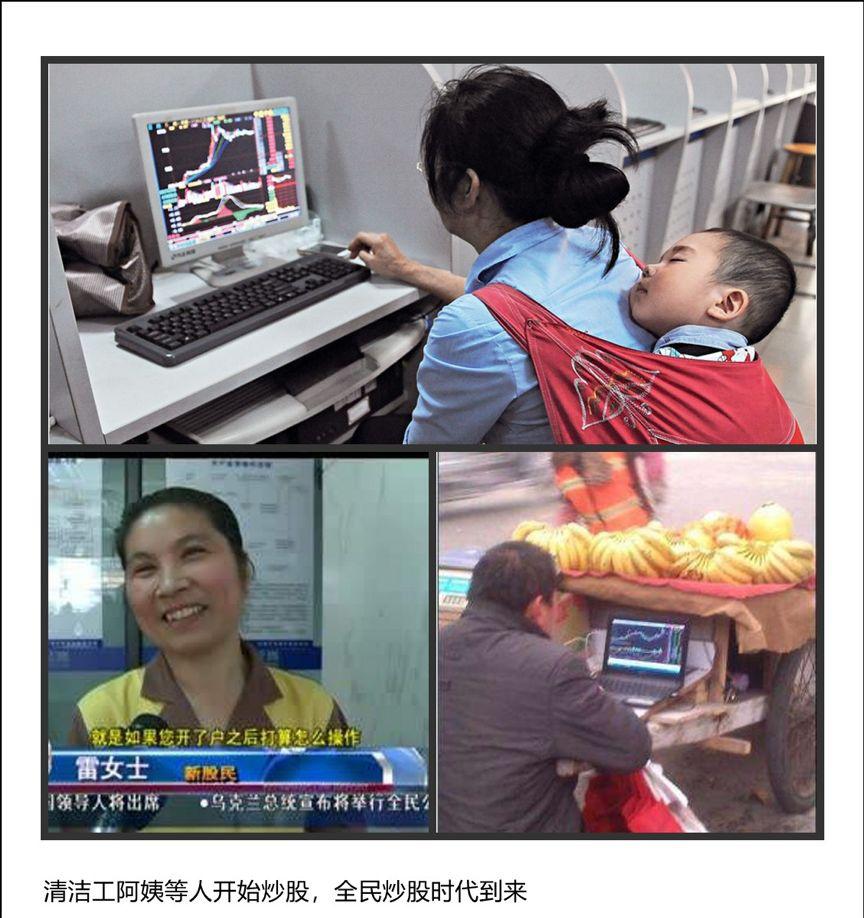
the year of 2008
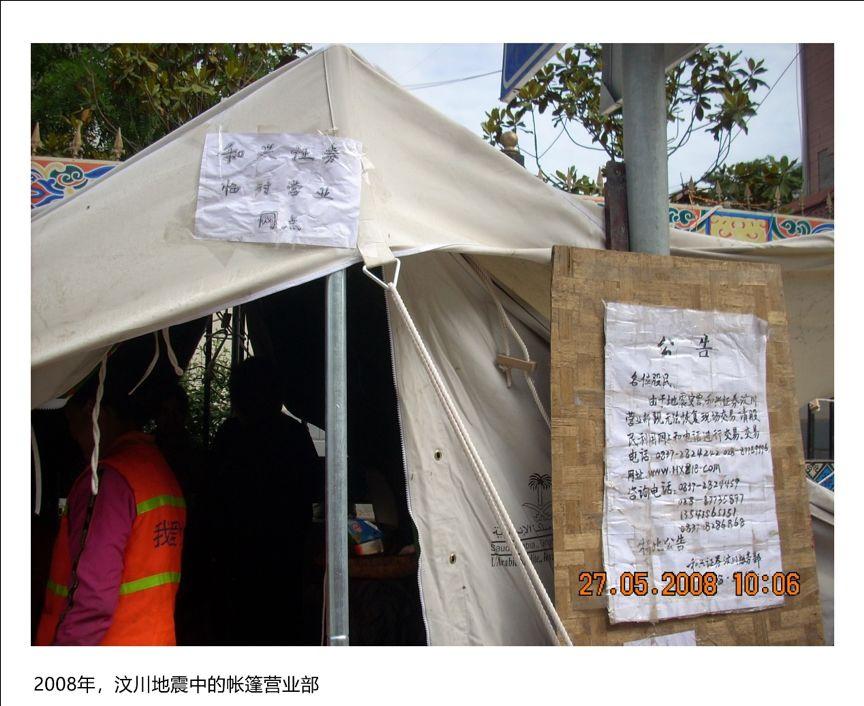
Tent business department in Wenchuan earthquake
On May 12th, 2008, the Wenchuan earthquake occurred. During the period, there was a donation boom, and many listed companies donated tens of millions. Shareholders only praised and did not complain. Wenchuan Service Department of Hexing Securities, the only securities business organization in Wenchuan County, set up a tent network.
In 2009
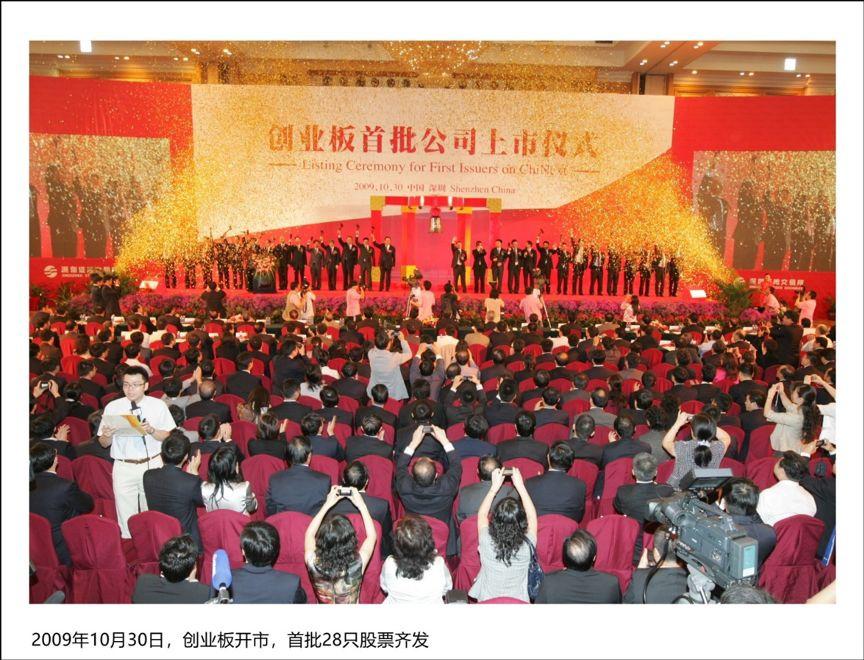
Gem 28 stars debut
On October 30th, 2009, the Growth Enterprise Market (GEM) opened, and the first batch of 28 shares were issued together, which set a new record for the multiple shares in China stock market. Among the "28 Stars on the Growth Enterprise Market", the top three stocks with the best performance since listing are Aier Ophthalmology, Yiwei Lithium Energy and NetScience.
2010 years
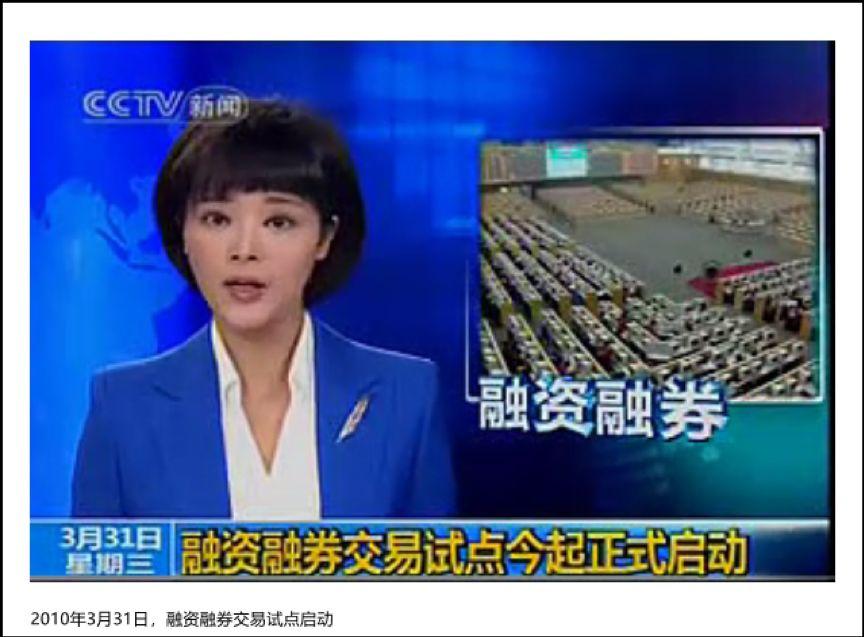
Margin trading starts the listing of stock index futures.
On March 31, 2010, the pilot of margin trading was launched. Four years later, on December 19, 2014, the balance between the two financial institutions historically exceeded 1 trillion yuan, and A shares subsequently opened a magnificent bull market. The promotion of the two financing funds to the market is obvious, and its increase or decrease is basically positively related to the trend of A shares.
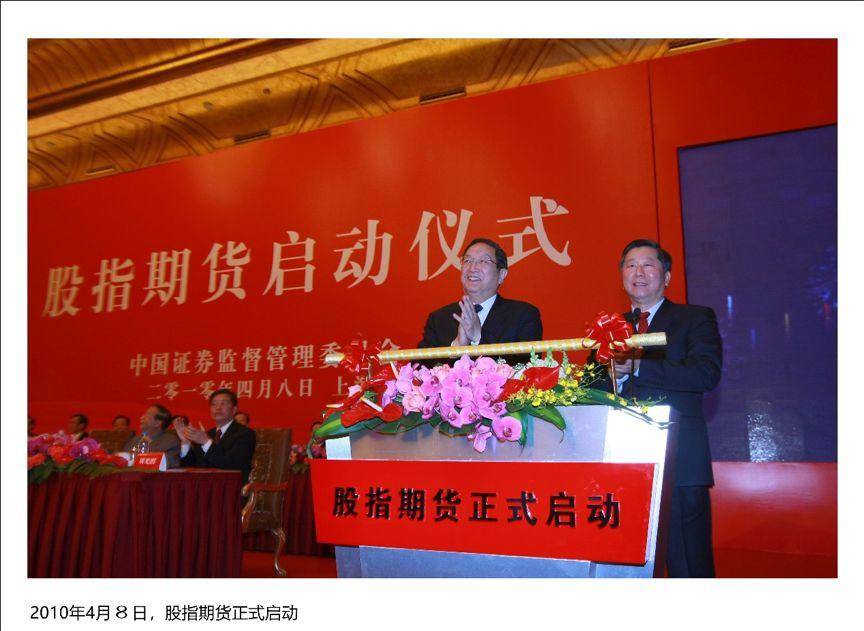
On April 8, 2010, stock index futures was officially launched in China Financial Futures Exchange. On April 16th, stock index futures went public.
The two-way trading mechanism of stock index futures is a major breakthrough compared with the traditional one-way trading mechanism that can only buy on dips in the spot market. Its two-way trading mechanism will not bring unilateral short-selling power, but provide investors with risk hedging tools, which can enrich different investment strategies. The appearance of stock index futures opened the first year of risk management in the capital market.
In 2014
Shanghai-Hong Kong Stock Connect and Shenzhen-Hong Kong Stock Connect were launched one after another.
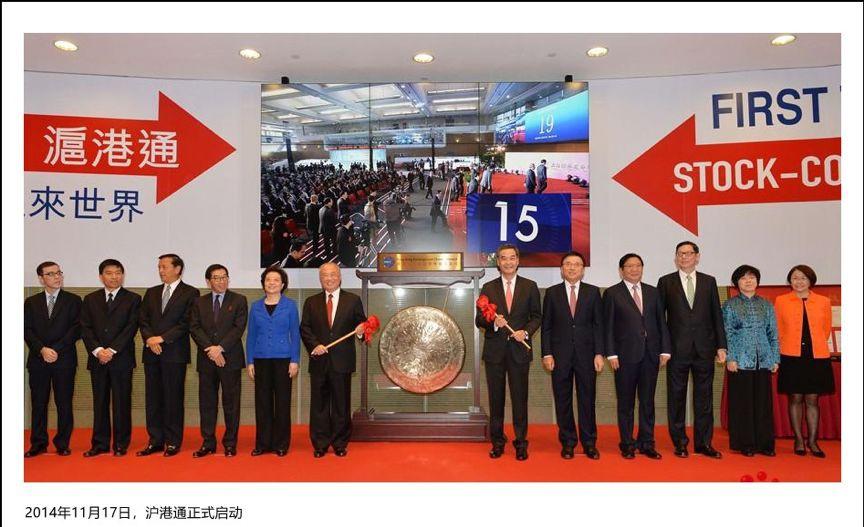
On April 10th, 2014, China Securities Regulatory Commission and Hong Kong Securities Regulatory Commission issued a joint announcement on the pilot project of Shanghai-Hong Kong Stock Connect. The CSRC pointed out that the total amount of Shanghai-Hong Kong Stock Connect is 550 billion yuan. On November 17, 2014, Shanghai-Hong Kong Stock Connect was officially launched.
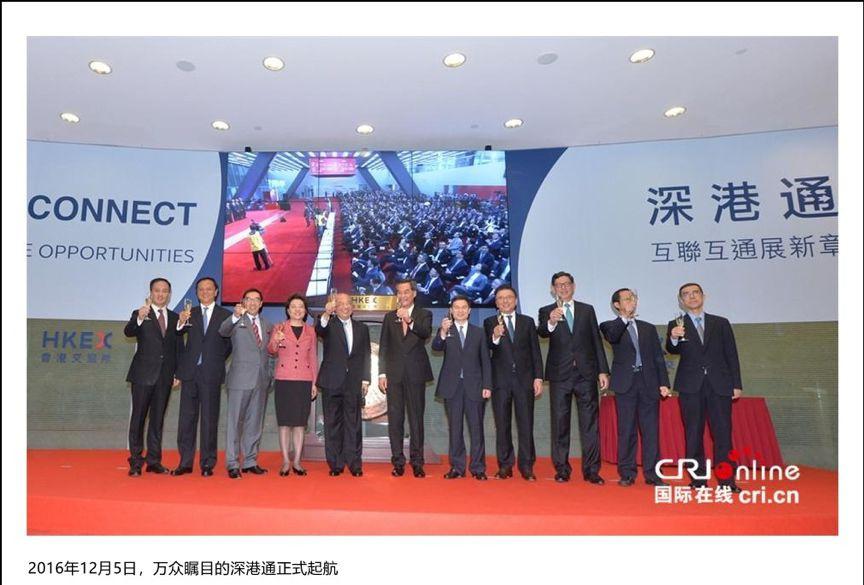
On December 5, 2016, the highly anticipated Shenzhen-Hong Kong Stock Connect officially set sail, with 417 stocks in South Hong Kong Stock Connect and 881 stocks in North Shenzhen Stock Connect participating in the transaction. The opening of Shanghai-Hong Kong Stock Connect and Shenzhen-Hong Kong Stock Connect has further promoted and improved the internationalization of the domestic securities market.
In 2015
The fourth bull market started, and the exchange system off the charts.
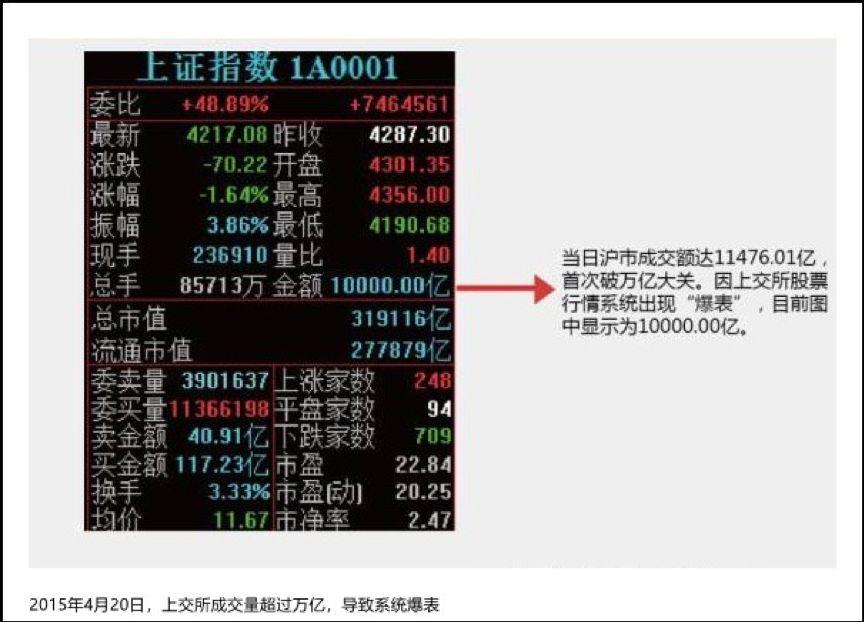
Since the second half of 2014, the fourth bull market of A-shares has started, and reached a peak of 5178 points in June 2015. On April 20, 2015, the turnover of Shanghai Stock Exchange exceeded one trillion yuan, which led to the off the charts of the system, and the display always stopped at 1 trillion yuan, the highest turnover in the history of global exchanges.
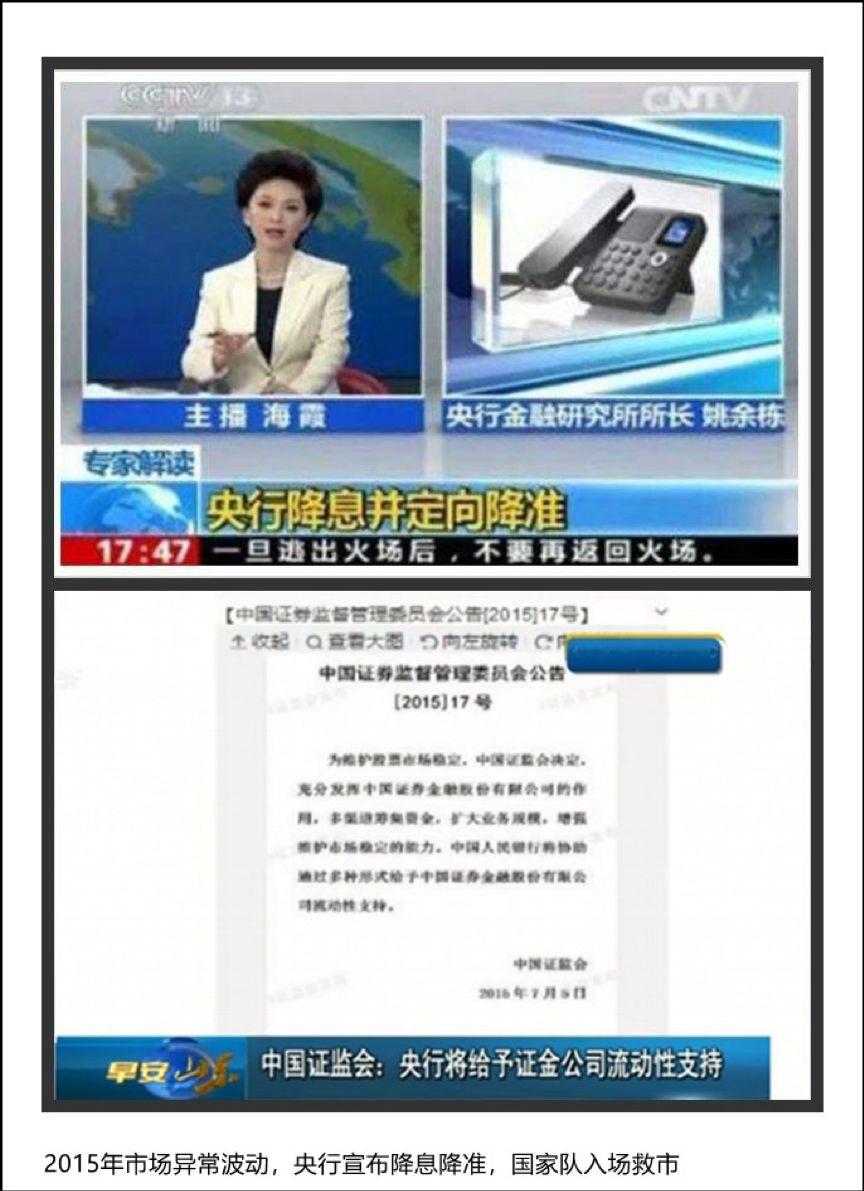
Faced with the leverage of over-the-counter fund-raising, the management began to rectify. On June 15th, the third day after the Shanghai Composite Index hit 5,178 points, the CSRC asked major securities firms to clean up off-exchange fund-raising. For a time, the market capital was like a frightened bird, fleeing the road.
From June 15th to July 8th, 2015, the Shanghai Composite Index fell sharply by 32% in 17 trading days, causing widespread panic in the market and the liquidity of the stock market almost dried up. Subsequently, the central bank announced interest rate cuts and RRR cuts, and on July 9, the national team entered the market to save the market.
the year 2017
A shares successfully entered Morocco.
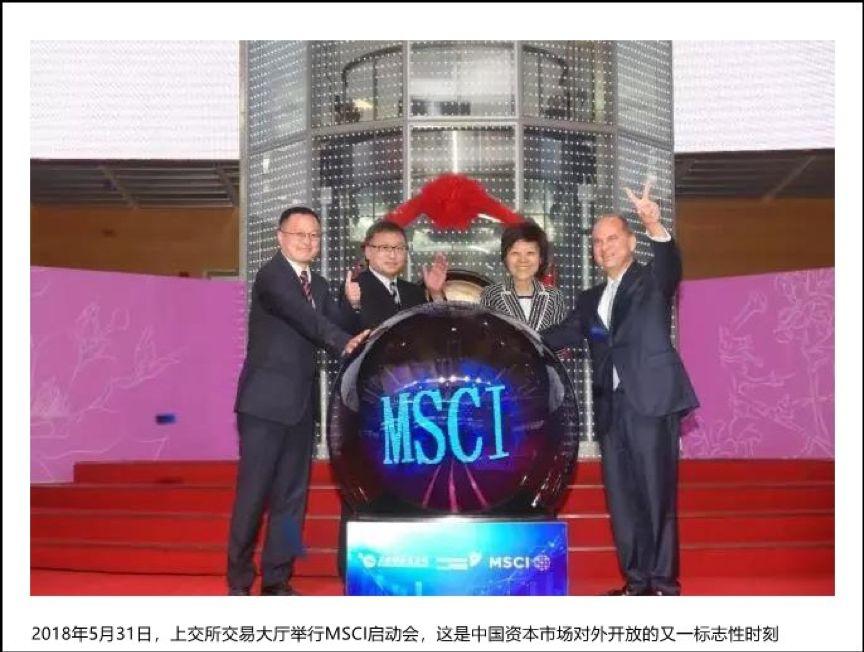
In June 2017, A-shares that hit the MSCI index for the fourth time finally succeeded, which marked that A-shares opened the door to the world, and the market used the word "adult ceremony" to describe A-shares entering Morocco.
A year later, FTSE Russell announced the inclusion of A shares in its global stock index system; Shortly afterwards, Standard & Poor’s Dow Jones also announced the inclusion of A shares in its global index system. So far, the three largest index suppliers in the world have included A shares. The logic behind the competition for the A-share market by major index companies around the world is the recognition of the investment value of A-shares.
On October 24th, the 19th National Congress of the Communist Party of China was successfully concluded. This historic meeting drew a blueprint for China’s reform, opening up and modernization in the coming period.
The report of the 19th National Congress proposed to "deepen the reform of the financial system, enhance the ability of financial services to the real economy, increase the proportion of direct financing, and promote the healthy development of multi-level capital markets". The report of the 19th National Congress has set a clear direction for the reform and development of the capital market. The multi-level capital market will enter a new stage of development from perfection, and market expansion and interconnection will become the main theme.
the year of 2018
High-level collective voices support the stock market
On October 19, 2018, the Shanghai Composite Index hit a new low of 2,449 points in early trading. The management made a collective statement and voiced their support for the stock market. Four hours after the leaders of the NPC and CPPCC shouted for confidence, Liu He, Vice Premier of the People’s Republic of China made a rare statement about the stock market, demanding that all departments dare to take responsibility, act quickly, and effectively introduce some specific policies to promote the healthy development of the stock market.
2019
Science and technology innovation board was born.
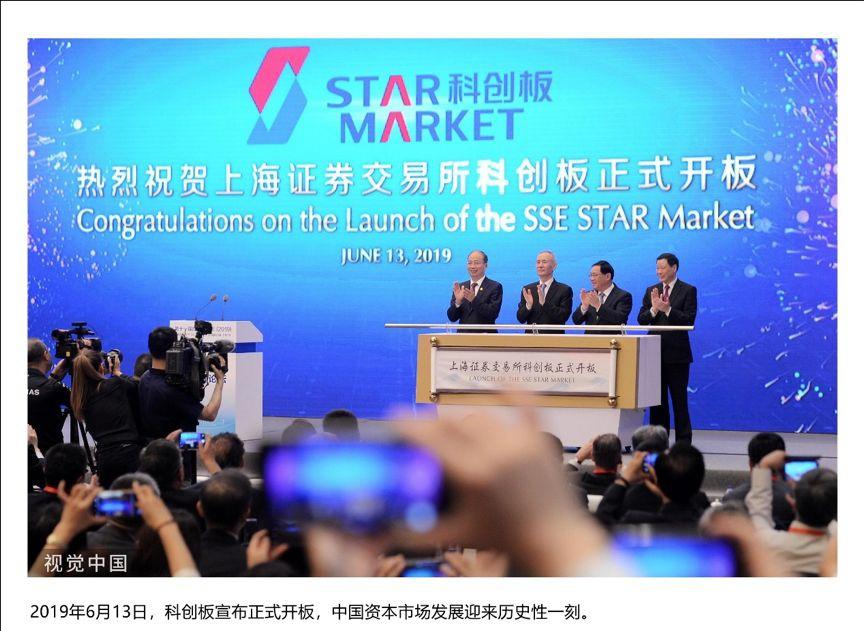
On June 13th, China Securities Regulatory Commission and Shanghai Municipal People’s Government jointly held the opening ceremony of the science and technology innovation board of Shanghai Stock Exchange. The development of China’s capital market ushered in a historic moment. It took only 220 days from November 5, 2018, when the establishment of science and technology innovation board was formally proposed and the registration system was piloted, to June 13, 2019, when the official opening of the board was announced, and the reform progress was rapid.
The official English name of science and technology innovation board is SSE STAR MARKET, and STAR is the abbreviation of Sci-Tech innovAtion boaRd. According to the Shanghai Stock Exchange, the word "STAR" itself means "star, star and leading role", and the abbreviation implies that science and technology innovation board will be like a rising star in Ran Ran in the future.
The rise of China’s economy is the fundamental driving force for the rapid development of China’s capital market. In the process of economic development in China, a large number of outstanding enterprises with international competitiveness have emerged. The listing of these enterprises has promoted the rapid growth of the market and created a huge wealth effect.
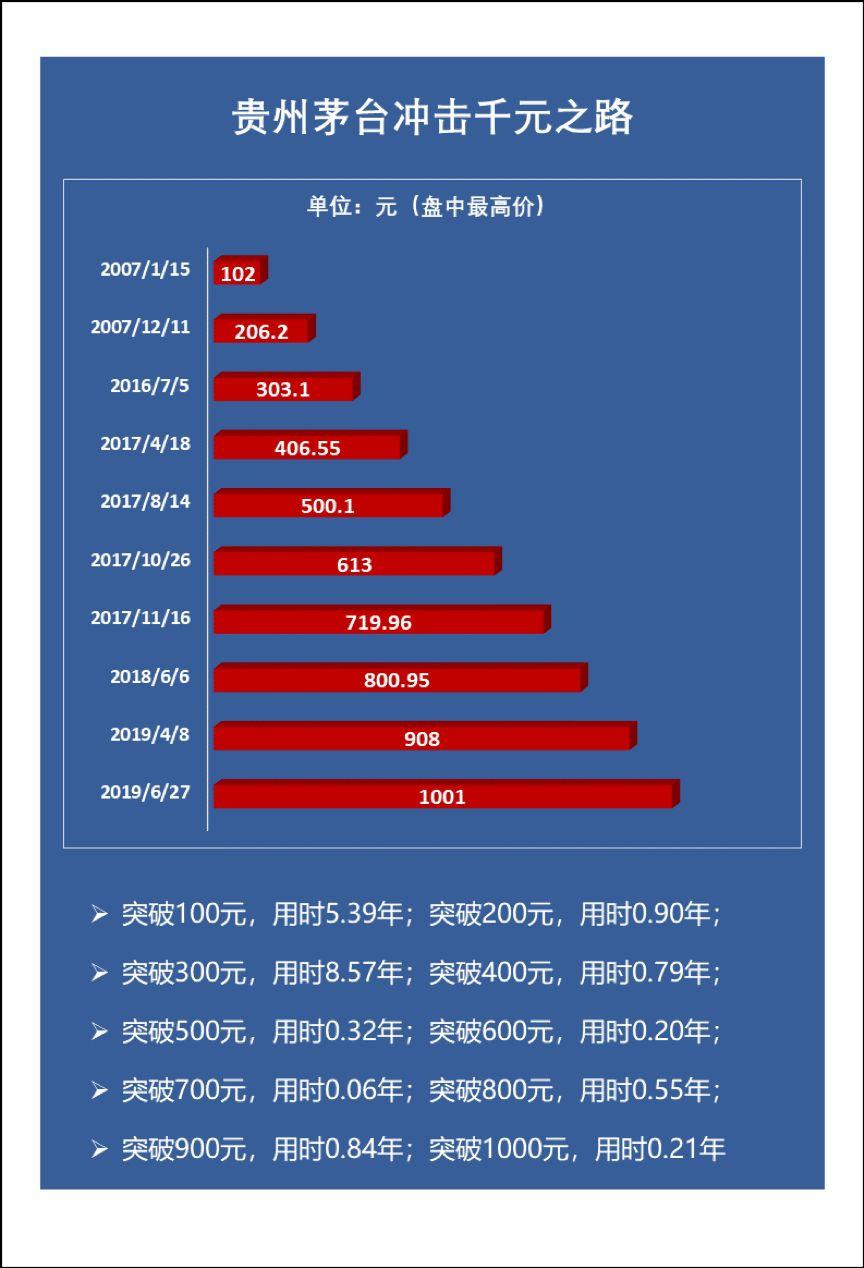
On June 27, 2019, the share price of Kweichow Moutai broke through the thousand yuan mark in intraday trading. Since the A-share reform, the first thousand yuan share was born. After 18 years of listing, it has risen by more than 160 times. The soaring speed of Kweichow Moutai’s share price can be said to have completely defeated the increase in house prices, and "dumped several streets of house prices".
Over the past 28 years, China’s capital market has gone through hardships and hardships, with great passion. What we rely on is the correct leadership of the Communist Party of China (CPC), the persistent reform and opening up, the confidence and courage of the pioneers, and the struggle and belief of later generations.
The rise of a big country cannot be separated from the finance of a big country, and the developed and open capital market is the core element of the finance of a big country. Science and technology innovation board’s new "star" rising in Ran Ran is the best gift for the Communist Party of China (CPC)’s 98th birthday, and it is also an important starting point for China’s economic transformation and technology and finance’s innovation.
Let the glory continue to be brilliant, and let the efforts be rewarded. The new era belongs to every struggler, and we are great rivers.
Image source: The 20th Anniversary Album of China Capital Market, Xinhua News Agency, International Online, vision china, etc. Some of them come from the Internet.
Wechat Editor: Wang Jing
Producer: Jiang Chunlin
Reporting/feedback